New York City Couples Counseling experts
Fortify Your Connection: Ways Couples Therapy Can Help You Flourish
Relationship counseling creates a structured environment for couples to understand the complexities of their partnership. The process targets issues like communication barriers and trust deficits. Many couples find themselves facing difficulties that appear impossible to overcome. However, skilled guidance can facilitate breakthroughs. Gaining insight into these therapeutic approaches can illuminate new ways to strengthen bonds. As partners navigate their unique struggles, the possibility of genuine progress comes into focus. What revelations might emerge about their relationship and individual roles within it?
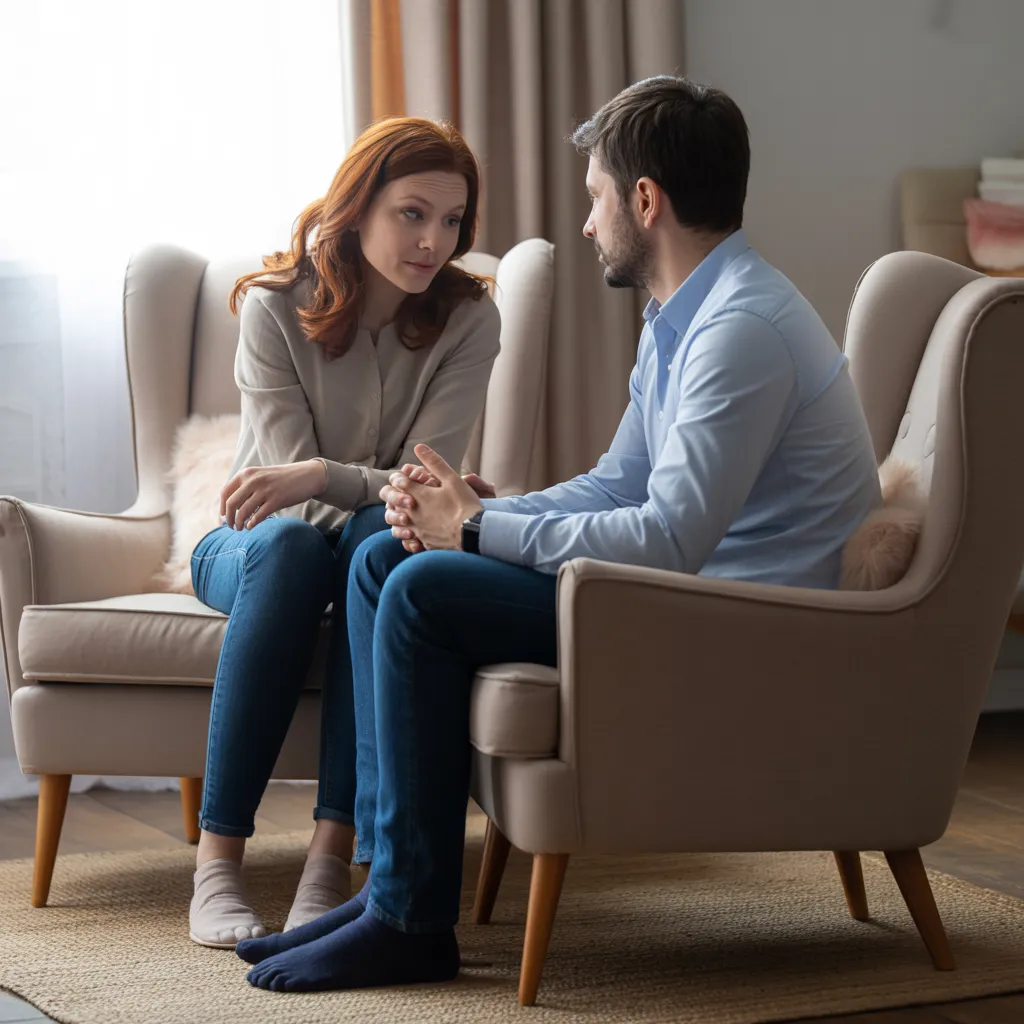
Understanding Couples Counseling: What You Need to Know
What aspects influence the success of couples counseling works? A number of components are essential to the success of this counseling process. For starters, the qualifications and knowledge of the counselor can substantially affect outcomes. A qualified therapist creates a comfortable setting, encouraging open communication and trust between partners. Furthermore, the readiness of both people to participate in the process is essential; dedication to growth and personal development amplifies progress. Next, the specificity of aims set at the beginning of counseling can guide sessions and track progress over time. Beyond that, active participation in exercises and discussions enables couples to explore their dynamics and establish better behaviors. Lastly, the moment couples pursue support can influence outcomes; tackling problems review article promptly often leads to greater improvements. Recognizing these elements gives couples the knowledge necessary to get the most from counseling, ultimately strengthening their relationship.
Acknowledging Common Relationship Issues
Couples commonly deal with a variety of difficulties that can challenge their relationship. Such struggles can present themselves differently, such as communication barriers, differing values, and unresolved conflicts. A significant number of couples struggle with trust issues, arising from previous experiences or unfulfilled expectations. Furthermore, monetary pressures frequently create tension, resulting in conflicts over budgeting and financial priorities.
Another frequent struggle is finding balance between personal needs and those of the relationship, which can generate emotions of resentment or neglect. Life changes, such as the arrival of children or career shifts, may further complicate dynamics, requiring couples to adapt continuously.
Recognizing these frequent struggles is the first step toward addressing them efficiently. By accepting obstacles, couples can work together to establish strategies, strengthening their sense of connection and strength in the union. This understanding is vital for fostering a stronger, more supportive bond.
How Communication Impacts the Outcomes of Couples Counseling
Clear communication serves a vital function in the effectiveness of couples counseling. Techniques such as active listening, articulating feelings openly, and addressing disagreements productively can significantly impact relationship dynamics. Understanding these methods helps couples work through their challenges more effectively, fostering healthier interactions.
Key Active Listening Strategies
Active listening acts as a vital foundation in couples therapy, fostering deeper understanding and connection between partners. This approach involves thoroughly engaging with a partner's copyright, in both verbal and non-verbal ways. Counselors frequently encourage couples to sustain eye contact, nod affirmatively, and refrain from interrupting. Mirroring back what has been communicated can also illuminate intentions and emotions, enabling a more nuanced conversation. Additionally, recapping key points shows attentiveness and validates the speaker's emotions. Through practicing these methods, couples can minimize misunderstandings and build empathy, ultimately strengthening their emotional connection. Active listening transforms communication, empowering partners to manage conflicts more effectively and establish a nurturing environment for growth and healing in their relationship.
Communicating Emotions Successfully
Articulating emotions with clarity serves as a pivotal element in influencing the results of couples counseling. When partners communicate their feelings with precision, it cultivates compassion and insight, allowing both individuals to engage on a profound level. This clarity strengthens the counseling journey, enabling the counselor to pinpoint core problems and recurring tendencies. Additionally, expressing emotions helps to dismantle obstacles that have gradually built up, creating a secure environment for openness. By developing strong emotional communication skills, couples learn to communicate their needs and desires without resorting to blame or defensiveness. As a result, this practice not only enriches the therapeutic journey but also provides couples with essential interpersonal tools that can enhance their bond outside of counseling.
Handling Conflicts Constructively
Open communication not only aids in the expression of emotions but also holds an important place in resolving disagreements constructively. Within couples therapy, meaningful conversation allows partners to express their needs and concerns without heightening tensions. By utilizing active listening methods, couples can develop a greater appreciation of each other's perspectives, promoting empathy and decreasing miscommunication. Counselors often guide couples in using "I" statements, which help express feelings without placing blame. This method promotes a cooperative environment where resolutions can be sought rather than concentrating exclusively on the issue. Furthermore, establishing guidelines for conversations, such as stepping away when feelings become overwhelming, can encourage more positive exchanges. At its core, effective conflict resolution enhances relationships, creating the foundation for more profound connections and lasting mutual respect.
Key Strategies in Couples Counseling for Healthier Relationships
Building a solid base in couples counseling requires the application of powerful strategies that promote open communication and mutual understanding. An essential technique is active listening, where partners are taught to completely immerse themselves in each other's perspectives without interruption. This cultivates empathy and minimizes defensiveness. Moreover, using "I" statements empowers individuals to convey their thoughts without blaming the other, fostering a more constructive dialogue.
A further valuable method is the establishment of routine check-ins, allowing couples to discuss their relationship in a proactive rather than reactive manner. This fosters a safe space for voicing concerns and acknowledging achievements.
copyright activities can prove highly effective, as they enable partners to see things from each other's perspective and develop a deeper understanding of each other's experiences. By integrating these techniques, couples can strengthen their bond, address disagreements with greater success, and develop a deeper understanding of one another, ultimately leading to a stronger and more fulfilling partnership.
How Couples Counseling Supports You Through Life Changes
Partners commonly experience significant life changes that can challenge their relationship foundations. Transitions like moving, job modifications, or the arrival of children can generate tension and anxiety. Relationship counseling offers a supportive setting for couples to work through these changes as a team. Through structured discussions, spouses can express their emotions, clarify their needs, and build effective coping tools.
Counselors provide resources to improve interaction, nurturing a climate of empathy and mutual respect. This assistance allows couples navigate evolving roles and obligations while sustaining a meaningful relationship. By addressing underlying issues, partners can stop conflicts from developing into serious disputes.
Furthermore, professional guidance helps partners to perceive changes as avenues for personal growth rather than threats. As they learn to collaborate in overcoming challenges, couples often come out stronger and more connected. Ultimately, relationship counseling stands as an invaluable tool throughout life's shifts, allowing couples to grow and succeed through life's transitions.
Healing Relationships Through Couples Counseling
When trust is broken within a relationship, the road to restoration can feel overwhelming, yet couples therapy provides a supportive framework for rebuilding that trust. In this space, couples can freely explore feelings of betrayal, uncover underlying issues, and overcome communication obstacles. The relationship specialist acts as a impartial guide, supporting both parties in expressing their emotions without bias.
Through structured sessions, couples are taught to recognize patterns that led to the trust violation, promoting greater self-awareness and insight. This approach promotes personal accountability, enabling partners to own their behaviors while developing the capacity to forgive. Techniques such as active listening and empathy are emphasized, supporting partners in restoring their emotional connection.
At its core, couples counseling not only aids in restoring trust but also strengthens the foundation of the relationship, providing partners with the skills to handle challenges ahead. This proactive approach enhances resilience, building a more meaningful bond grounded in restored trust and shared respect.
Finding the Right Couples Counselor for Your Journey
Choosing the right relationship therapist is vital for a successful therapeutic experience. The effectiveness of a counselor is greatly influenced by their credentials and experience, while a compatible communication style can strengthen the bond between the therapist and the couple. Knowledge of these considerations can empower individuals to make the best decision for their relationship journey.
Credentials and Experience Matters
Identifying the best couples advisor can greatly influence the success of treatment, as their expertise and background serve a key function in directing couples through hardships. When searching for a therapist, couples should seek out specialists with appropriate credentials, such as a master's degree in social work or psychology, and focused education in couples therapy. Designations from respected bodies, like the AAMFT, can help establish a professional's proficiency. Equally important is experience; professionals who have assisted diverse couples can offer meaningful perspectives tailored to unique situations. Through choosing a qualified and experienced therapist, couples can cultivate a nurturing space, strengthening their journey toward relational healing and growth.
Communication Style Compatibility Assessment
Clear communication is critical for couples engaging in counseling, as it significantly impacts the therapeutic process. Both partners contribute unique ways of communicating, which can either support or obstruct progress. When choosing a relationship therapist, compatibility in communication style becomes vital. A therapist who appreciates and responds to the couple's preferred modes of expression can establish a comfortable setting for candid discussion. Couples should consider whether they prefer honesty, compassion, or a more organized method during sessions. This harmony not only boosts confidence but also encourages vulnerability, enabling deeper exploration of issues. By focusing on communication style harmony, couples can fully leverage the advantages of therapy, leading to more effective resolution of conflicts and improved relationship dynamics.
Commonly Asked Questions
How Long Does Couples Counseling Typically Last?
Couples counseling generally spans between six to twelve sessions, according to the particular challenges and goals of each couple. Each session usually lasts about 50 minutes, allowing for in-depth discussions and progress assessments throughout the process.
Can Couples Therapy Help Separated Partners?
Indeed, relationship therapy can be helpful for partners living apart. It offers a supportive environment to work through lingering concerns, enhance communication, and explore the potential of reconciliation, assisting both partners gain a clearer perspective on their future together.
Does Couples Counseling Work for Non-Traditional Relationships?
Couples therapy is highly valuable for unconventional partnerships, as it offers a supportive environment to explore unique dynamics, improve meaningful communication, and address specific challenges, effectively cultivating understanding and connection among individuals involved no matter the relationship format.
How Can I Tell if We Need Counseling?
Indicators that professional support may be needed include ongoing communication problems, repeated conflicts, emotional distance, or feelings of dissatisfaction. If individuals in a relationship find it difficult to address these issues on their own, pursuing professional support could encourage growth and improvement in the relationship.
What Should We Look Forward to in Our First Session?
During their initial session, couples can anticipate a safe space to discuss concerns, an evaluation of their relationship patterns, and guidance from the relationship counselor to define objectives for counseling, encouraging open communication and understanding.